
As of September 20, SAMHSA is reporting that, “For substance use specifically, of the 29.0 million adults who perceived that they ever had a substance use problem, 72.2% (or 20.9 million) considered themselves to be in recovery or to have recovered from their drug or alcohol use problem” (samhsa).
As you know, if you’ve read nearly anything I’ve previously written, my math skills are not great. But here’s what we know: as of the 2020 Census, the US has 258.3 million people. That means that SAMSHA is acknowledging that just over 11.2% of the population…29 million adults…“ever had a substance use problem.”
However, on January 4 of this year, SAMSHA said that “46.3 million people aged 12 or older (or 16.5 percent of the population) met the applicable DSM-5 [Diagnostic and Statistical Manual] criteria for having a substance use disorder in the past year, including 29.5 million people who were classified as having an alcohol use disorder and 24 million people who were classified as having a drug use disorder” (hhs).
Just for starters, do we have 11.2% of the population with substance use disorders – which could be mild, moderate, or severe – or do we have 16.5%?
Since Census reports don’t actually tell us how many US residents are aged 12-17, I had to use Statista. Just more fun with stats! Statista indicates, “In 2022, there were about 25.8 million children between the ages of 12 and 17 years old living in the United States” (statista).
OK…so far that math works, sorta: 258.3 million adults plus 25.8 million 12-17 year olds totals 284.1 million people in the US who have “substance use disorders,” which is close to the “46.3 million people aged 12 or older” SAMHSA reported back in January. It’s really 48.3 million people, and my calculations say that it’s closer to 17%, but close enough for our fuzzy math.
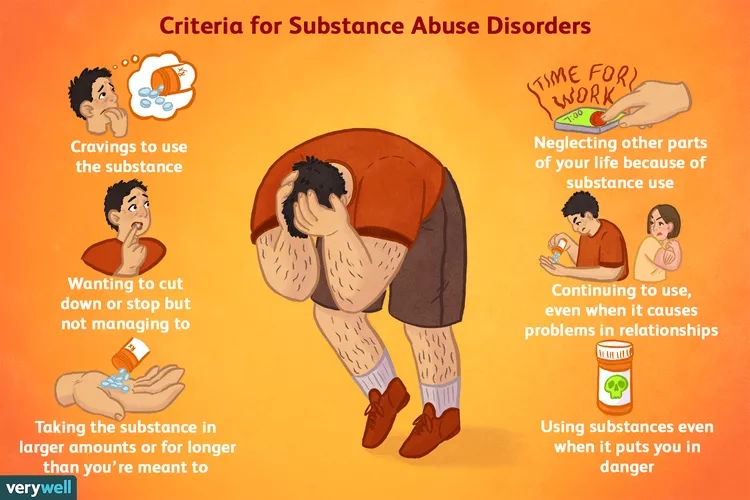
Now, here’s the problem: we’re being told – and I gather we’re supposed to believe – that in one year, 16.5% of people started with substance use disorders, mild, moderate, and severe, and in that same year, over 72% of those people considered themselves to be “recovered.” That bears repeating: SAMHSA reports that 16.5% of the population met criteria for having a substance use disorder in the past year, which only looks at the previous 12 months, per the DSM currently in use, DSM-5-TR, the Bible for diagnosing those with substance use disorders as well as all other mental disorders.
So, which is it? Do 29 million adults (11.2% of the population) in the US, minus the 20.9 million (72% of that number) who define themselves as being in recovery – so 8.1 million (3.1%) have substance use disorders, or does 16.5% of the population have them?
I know my views are skewed, but I also know that addiction – that’d be substance use disorder severe – affects a heckuva lot more than 3.1% of the population.
And I know that we don’t know…because we don’t test. Asking a person if he or she is having problems caused by substance use is not often going to result in an honest answer. Only testing whether or not someone who shouldn’t be using certain substances will determine if that person is…and the results will speak for themselves.
We say we believe that addiction is a disease. And we have the tests to determine if people have that substance in their bodies…like blood thinner for those with heart disease or cocaine for those with addiction…
Let’s reduce stigma and improve outcomes by using real data to reduce substance use disorders.
References
https://www.statista.com/statistics/457786/number-of-children-in-the-us-by-age/
 Guided by Guida
Leave a comment