
There’s a new and dangerous drug out there that’s being misused…
It’s often being passed off as another, regularly prescribed, drug.
In some cases it’s being overprescribed while in other cases it’s not even approved for use by humans.
In almost all cases it’s being taken with other drugs, which makes the outcomes even worse.
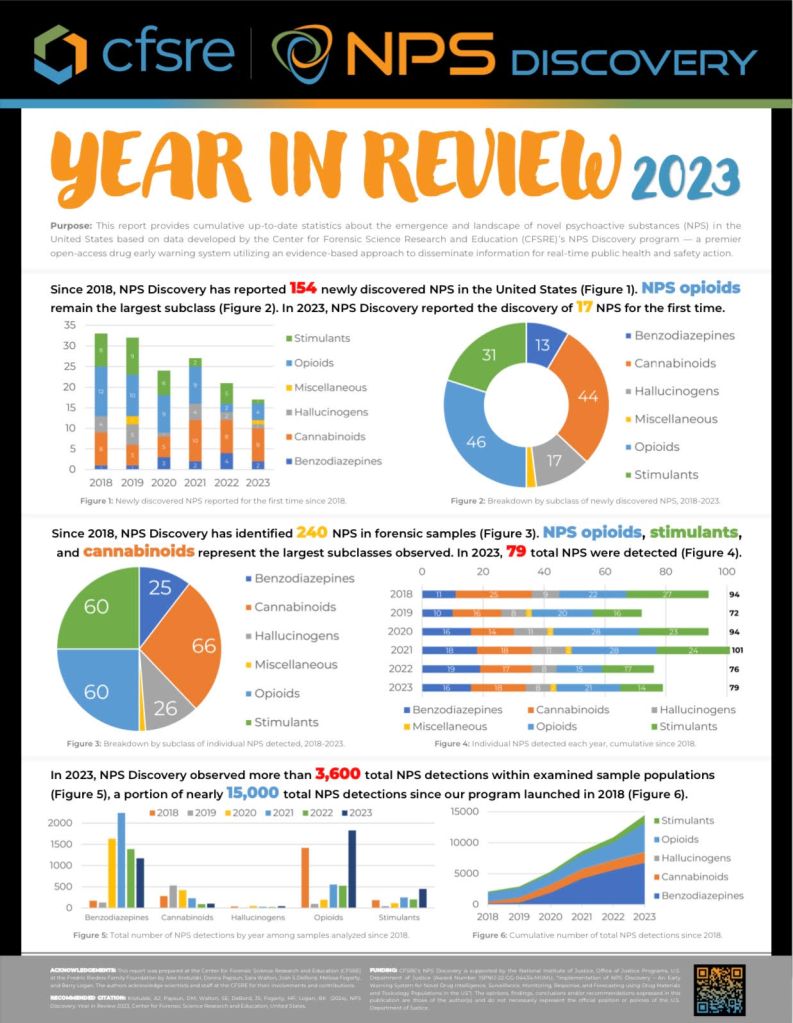
Do you wonder what that drug is? It could be any number of them: bromazolam, xylazine, fentanyl, carfentanil, gabapentin, ketamine, and I’m sure there’s a handful coming down the pike that we currently know nothing about! So, identifying that new and dangerous drug that’s being misused is elusive!
We often hear the argument that cannabis is a gateway drug, leading to the use of other, more powerful drugs. And then we hear the opposite, that those who use cannabis are NOT more likely to use other, more dangerous drugs (CDC), so who’s to say?
There is evidence in old studies about risky behaviors to indicate that when people do one thing that they’re not supposed to (like not wear seat belts), they’re more likely to do other things that they’re not supposed to (like speed or drive under the influence of alcohol) (sciencedirect). While I agree that cannabis or nicotine use will not compel people to use other, more dangerous drugs, I do believe that any prohibited substance use, such as using cannabis where it’s not legal or alcohol or nicotine use before a person is of a legal age to do so, will lead to other, potentially more dangerous, rule violations.
And that brings us to the myriad drugs at our fingertips. These are dangerous times when illicit drugs are not what they seem, and buying something on the street can cost a life.
But there’s another aspect to this, too: it’s time to recognize that addiction is a brain disease, it’s not a compulsion to use a specific drug that then causes negative consequences. No one is “addicted” to cocaine, heroin, opioids, THC, alcohol…any specific substance. A person has addiction, defined by the American Society of Addiction Medicine as “a treatable, chronic medical disease involving complex interactions among brain circuits, genetics, the environment, and an individual’s life experiences. People with addiction use substances or engage in behaviors that become compulsive and often continue despite harmful consequences” (ASAM).
That means that, for those whose drug of choice is opioids, even if all opioids were magically wiped from the face of the earth, they would still have the disease of addiction. The same goes for those whose drug of choice is alcohol, cannabis, or any other drug. Taking away the drug doesn’t take away the addiction!
So why are we so worried about the next “new” drug and the next one after that? Well, if the opioid crisis was any indication, it’s because drugs kill, and we need to get in front of those deaths. But how?
Testing. Testing. Testing.
I can best explain with a story. There was a client, let’s call him John, who purported to use only alcohol, and so that’s what he was tested for, only alcohol, until a mistake was made. A wrong box was checked, and John was then also tested for cocaine, for which he was positive. John had addiction, and telling him that he couldn’t use alcohol was a surefire way to get him to use something else because addiction never happens in a silo. Never ever.
So with all these “new” drugs on the market that people are misusing, testing, as in direct biomarkers using fingernails, is the only way to know what’s being used. While it’s likely that a person isn’t using only one drug, especially a new one from the rapidly-changing list of misused substances, it’s also likely – not a sure thing, but likely – that a person who is misusing substances is crossing over.
Addiction never happens in a silo.
References
https://www.asam.org/quality-care/definition-of-addiction
https://www.cdc.gov/marijuana/health-effects/risk-of-other-drugs.html
https://www.cfsre.org/nps-discovery/trend-reports


 Guided by Guida
Leave a comment