
We know that feeling stigmatized – shamed, if you will – may reduce the willingness of those with substance use disorders (SUDs) to seek treatment. We also know that stigmatizing (shaming) language may negatively influence health care providers’ perceptions of people with SUDs, thereby negatively impacting care (pmc).
We KNOW this. So our response, far too often, is to not speak clearly about “substance use disorders.” Just that label alone shows that we – professionals, society – are using weasel words. We’ve gone so far as to say that a person who has a substance use disorder, as defined in the Diagnostic Statistical Manual 5-TR, can have one that is “mild,” “moderate,” or “severe.” We say that we believe that addiction…or a “severe substance use disorder,” if you must…is a disease, but do we ever diagnosis other diseases as “mild,” “moderate,” or “severe”? Have you ever heard that a person was diagnosed with a severe insulin disorder? No; that’s diabetes. A mild skin disorder that results in cancer? No; that’s skin cancer. What about a moderate heart disorder? Also no; that’s cardiovascular disease.
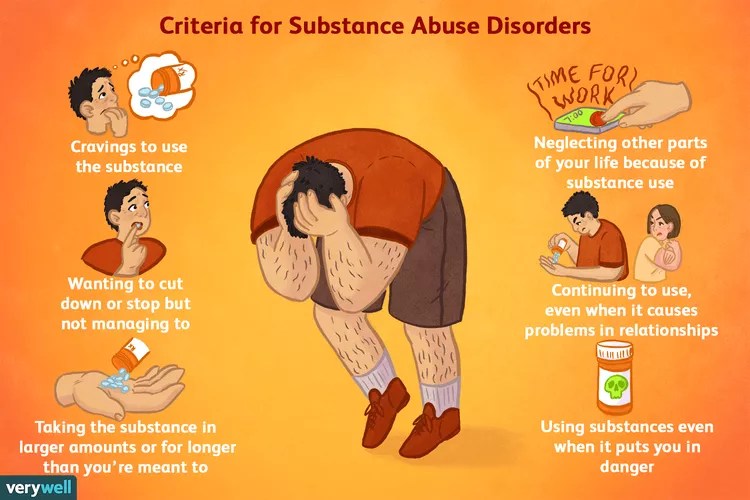
So we SAY that we believe that addiction is a disease, but we don’t even diagnose the disease of addiction. Rather, we call it a “substance use disorder,” and, to add insult to injury, we go so far as to silo the substances. Addiction is addiction, but a “substance use disorder” can be due to alcohol, cocaine, stimulants…as if cocaine isn’t a stimulant…and so on.
A person newly diagnosed doesn’t usually accept having a chronic, progressive, lethal disease because “substance use disorder” is weaselly. It means nothing to most people. But saying that a person has “addiction” could be scary for that person. Yeah, it could. You know what else is scary? Dying from a disease that no one wants to tell you that you have.
Stigmatizing and shame can be toxic, but shame can serve a purpose, too. Individuals can use shame “to prevent us from damaging our social relationships, or to motivate us to repair them,” as Daniel Sznycer of the Center for Evolutionary Psychology said in 2016 (theweek). Let’s follow that through: if I feel shameful about a disease that I have, which has both genetic and behavioral components, might I not use that shame to motivate myself to recover?
On the other hand, Brené Brown, whom I love, says, “I believe that guilt is adaptive and helpful — it’s holding something we’ve done or failed to do up against our values and feeling psychological discomfort. I define shame as the intensely painful feeling or experience of believing that we are flawed and therefore unworthy of love and belonging — something we’ve experienced, done, or failed to do makes us unworthy of connection” (brenebrown).
I used my 1933 Oxford English Dictionary to learn that “shame” was first defined around 725 as a painful emotion arising from something in one’s own conduct or circumstances. That is, shame was only internal…coming from something felt, not from outside forces, so it wasn’t a synonym for “stigma.”
My favorite current dictionary, the American Heritage, now defines “shame” as a “painful emotion caused by the belief that one is, or is perceived by others to be, inferior or unworthy of affection or respect because of one’s actions, thoughts, circumstances, or experiences.” Note how the person has possibly changed. Shame used to be solely internal, but the definition has switched so that it may now be caused externally, by others. From that perspective, shame IS bad. This shame – making others feel inferior or unworthy because of their actions, thoughts, circumstances, or experiences – leads to stigma, which leads to death.
But shame from within is a feeling…and feelings aren’t good or bad…they are just feelings, and they happen without consent. We don’t get to decide what emotion we’re going to feel. We just feel it. Therefore, it’s what we do with our emotions that makes them negative or positive. I can be embarrassed and overreact, or I can be embarrassed and laugh. The emotion of embarrassment isn’t problematic, but how I react to that emotion may be. The same holds true for how we react to the emotion of shame.
Shaming others, stigmatizing them, is bad, but what about that internal shame we involuntarily feel due to our actions, which may help with motivation to do better? That may actually serve a purpose, despite what Brené Brown says. No one should ever shame – stigmatize – another person. But feeling shame – an emotion caused by our own actions, thoughts, circumstances, or experiences – that emotion could just help us improve our lives and the lives of those around us.
References
https://brenebrown.com/articles/2013/01/15/shame-v-guilt/
https://pmc.ncbi.nlm.nih.gov/articles/PMC5854406/
https://theweek.com/critical-race-theory/1006631/in-defense-of-shame
https://www.verywellmind.com/dsm-5-criteria-for-substance-use-disorders-21926
 Guided by Guida
Leave a comment