
It’s the day before January 1…New Year’s Eve Day, as it were…and people are making plans to ring in 2025 as well as resolutions to make 2025 the best year yet. Me? I’m typing in my pajamas with no intention of leaving the house.
One of the resolutions that pops up in the top 10 or so is to reduce drinking alcohol. Those who say it’s a resolution range from 3 – 14% of the population making resolutions at all, which is about 30 – 50 percent of the US population, depending upon who you read. I’m in the larger portion…I don’t make resolutions, not because I don’t think I need to improve but because I don’t think an arbitrary day is going to make that happen, even if it is the beginning of the BEST YEAR YET.
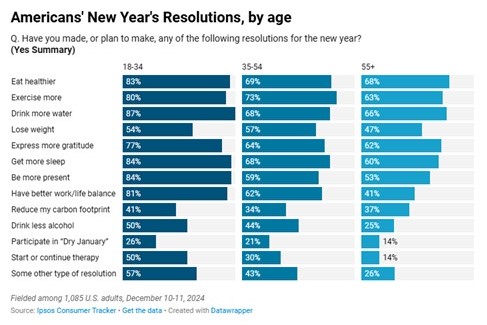
According to Ipsos, about 38% of people surveyed said they resolve to drink less alcohol in 2025. That’s an enormous percentage: over one in three drinkers recognizes the need to reduce their drinking or at least is planning, for some reason, to drink less in 2025. Be still my heart.
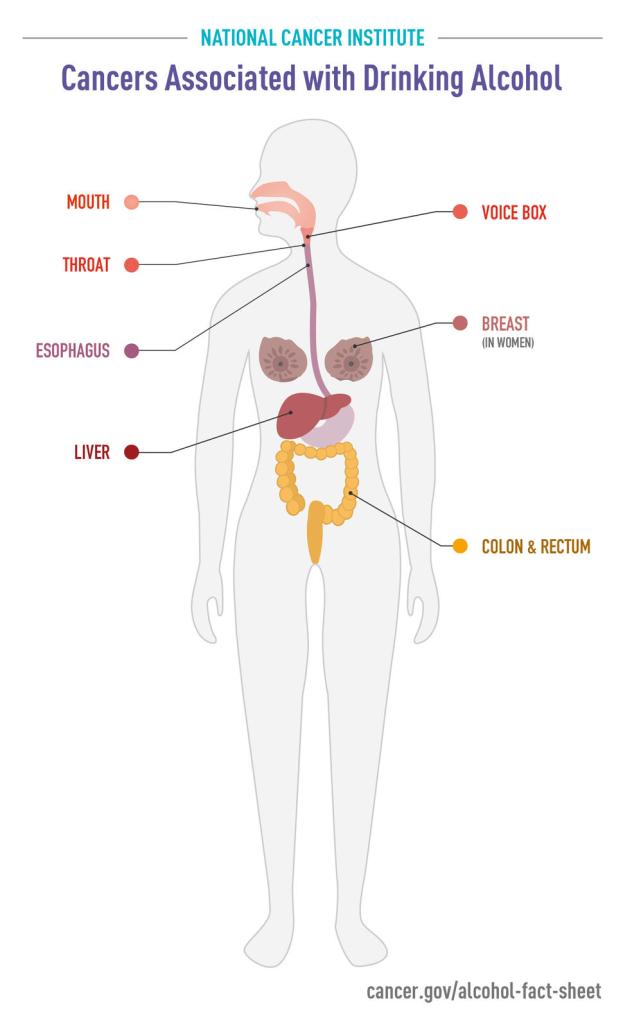
Alcohol is a toxin. It leads to at least seven types of cancer, and, while not everyone who drinks is a problem drinker, there is a huge problem with how much those who do drink drink. Almost one in four is a reported binge drinker (NIAAA alcohol), but I contend that the number would be MUCH HIGHER if people knew how to define binge drinking: “a pattern of drinking alcohol that brings blood alcohol concentration (BAC) to 0.08% – or 0.08 grams of alcohol per deciliter–or higher. For a typical adult, this pattern corresponds to consuming five or more drinks (male), or four or more drinks (female), in about two hours” (NIAAA publications).
Heavy drinking is less reported, at about 6.3% of the population, but I assume it’s underreported for the same reason…people have no idea that males drinking five or more drinks on any given day or fifteen or more drinks per week and females drinking four or more drinks on any given day or eight or more drinks per week is considered heavy drinking. And who knows what a drink is in the first place? It’s 1.5 ounces of distilled spirits (e.g., vodka, whiskey); 12 ounces of beer (5% alcohol content); or 5 ounces of wine (12% alcohol content) (NIAAA what). Basically, it’s not what you think it is.
Still, there’s a lot to be optimistic about as we move into 2025. People are seeing that alcohol is problematic, and they are willing to do something about it. Dry January is an option (alcoholchange), but so is Dry February, Dry January 7, Dry April, oh, and Sober October.
Make 2025 your BEST. YEAR. YET., and if it’s alcohol-free, even better!
References
https://alcoholchange.org.uk/help-and-support/managing-your-drinking/dry-january
https://www.cbsnews.com/news/new-years-resolutions-tips-why-they-fail/
https://www.ipsos.com/en-us/americans-want-live-healthier-2025-heres-what-looks-alcohol-exercise
https://www.niaaa.nih.gov/alcohols-effects-health/what-standard-drink
https://www.niaaa.nih.gov/publications/brochures-and-fact-sheets/binge-drinking

 Guided by Guida
Leave a comment