
If you’re looking for me, I’m over here banging my head on my desk. Why, you ask? I’m happy to explain! In the last week I’ve been discouraged at every turn where it comes to my expertise around substance use disorders.
First, a person who may or may not have been pregnant was drinking wine. I was told, quite forcefully, that there’s nothing wrong with that because others drank alcohol until they KNEW they were pregnant.
Next, a person who had stopped using opioids as a drug of choice had major surgery and, for pain, was given – you guessed it – opioids. “Well, Guida…big deal. It’s not as though this person was in recovery. People need painkillers for pain!” Right, they do. Except now this person is right back on track for drug seeking, encouraging the doctor to continue to prescribe opioids because, according to the patient, the doctor isn’t educated in the intricacies of addiction and withdrawal and it’s the patient who knows better.
Another person, a young‘un, needs wisdom teeth removed. My counsel to the parents, that there are other, safer painkillers for this type of surgery, fell on deaf ears.
Finally, a meme that a friend shared on social media indicated that people should stay silent at all costs if their words can offend a person.
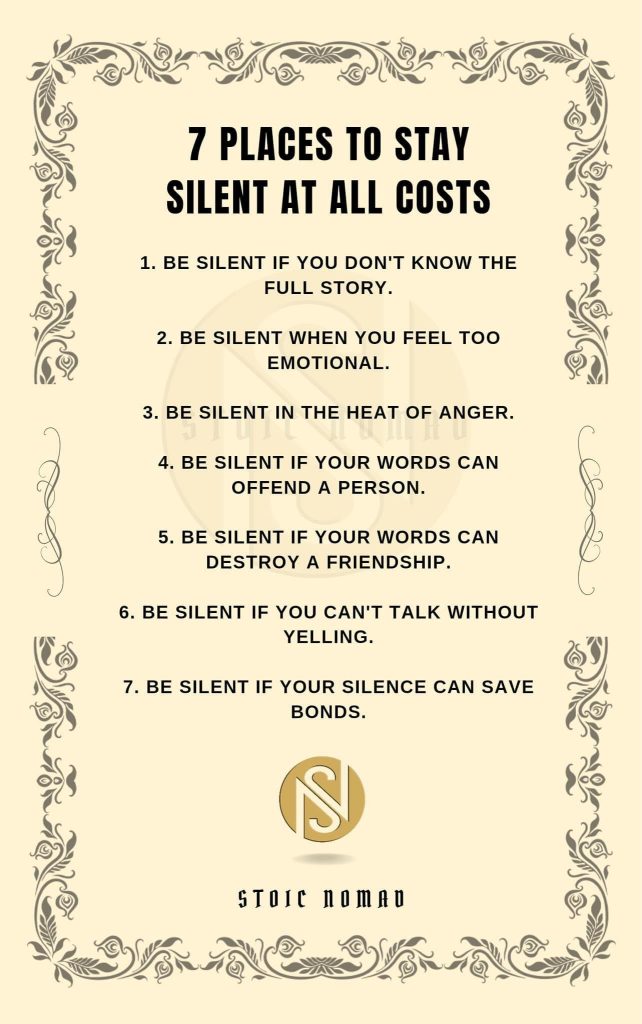
I call BS on all of this, and I blame us – the professionals in the field of addiction – for this sort of thinking being so prevalent.
Where else do trained professionals soft-shoe messages of concern because they don’t want to offend people? Does a mechanic say, “You know, brakes are costly, and hers are going, but she may not have the money to replace them, so I’ll just tell her to be careful”? Does a medical doctor say, “Well, I know this person’s diet is going to kill him, but I don’t want to upset him, so I’ll talk about how he may want to cut down on carbs”? Unlikely. And if they did, would we honestly continue doing business there?
The flip side is, of course, the responsibility of the end user. When the doctor says, “You really need to change your diet or there will be negative consequences” or the mechanic says, “You need new brakes before the snow flies, or you may crash,” does the consumer say, “Yeah…that’s just your opinion”? Maybe, but it’s a ridiculous response, isn’t it?
Just like it’s a ridiculous response to tell me that I’m wrong in my area of expertise. But this isn’t about me. It’s about people incorrectly labeling actual facts as simple opinions that they just don’t want to hear. I’m sure that no person who drank while pregnant wants to hear that there could be negative consequences to the offspring. But not wanting to hear that doesn’t make it incorrect. It’s a FACT that alcohol is a teratogen that can cause damage to a developing fetus.
No person who suffers from addiction wants to hear that addiction leads to negative consequences. But not wanting to hear that doesn’t make it incorrect. It’s a FACT that unchecked addiction can damage personal relationships, lead to financial difficulties, cause legal problems, and may even lead to death.
No person wants to hear that ze or zir loved one doesn’t need “the good stuff” to get through pain. Prior to the 1990s, before opioids were so readily available, we managed pain differently, and no one died from a tooth hurting, so it’s a FACT that people can manage pain without taking opioids.
The professionals in the field of addiction – substance use disorders, if you must – need to be responsible with the information we are doling out. Making people feel better about themselves without being honest about the consequences is deadly.


 Guided by Guida
Leave a comment