
The Let Them Theory by Mel Robbins is all the rage these days, and I jumped on the bandwagon. It’s a book that would have been a great article, but it provides two solid takeaways when it comes to the field of addiction: “People only change when they feel like changing.” “People need to feel in control of their decisions.”
If you’re not familiar with the book, which I think is poorly titled, The Let Them Theory, or Let Them, as it’s mostly called, “is a step-by-step guide on how to stop letting other people’s opinions, drama, and judgment impact your life. Two simple words, Let Them, will set you free from the exhausting cycle of trying to manage everything and everyone around you.
It’s “a groundbreaking approach to reclaiming your life by focusing on what you can control and releasing what you can’t.
“The Let Them Theory helps you prioritize what truly matters and put yourself first. …Robbins provides a toolkit to rediscover your inner power, transform your relationships, and find the happiness you deserve.”
The step-by-step guide identified on the author’s website is to say “let them” and breathe when people do things you don’t want them to do until you’re settled with their decisions. And then, and I think this should have been included in the title and descriptions, you say “let me,” because there is ALWAYS another thing you can do! Empowerers unite!
So how does this apply to the field of addiction? First, I have zero control over what someone else does in life. The “The 7 C’s of Addiction from the National Association for Children of Alcoholics” teach us: “I didn’t cause it. I can’t control it. I can’t cure it. But I can take care of myself by communicating my feelings, making good choices, and celebrating myself,” and it carries into adulthood. The reminder from Robbins, then, is handy…let them. “People only change when they feel like changing,” and “people need to feel in control of their decisions.”
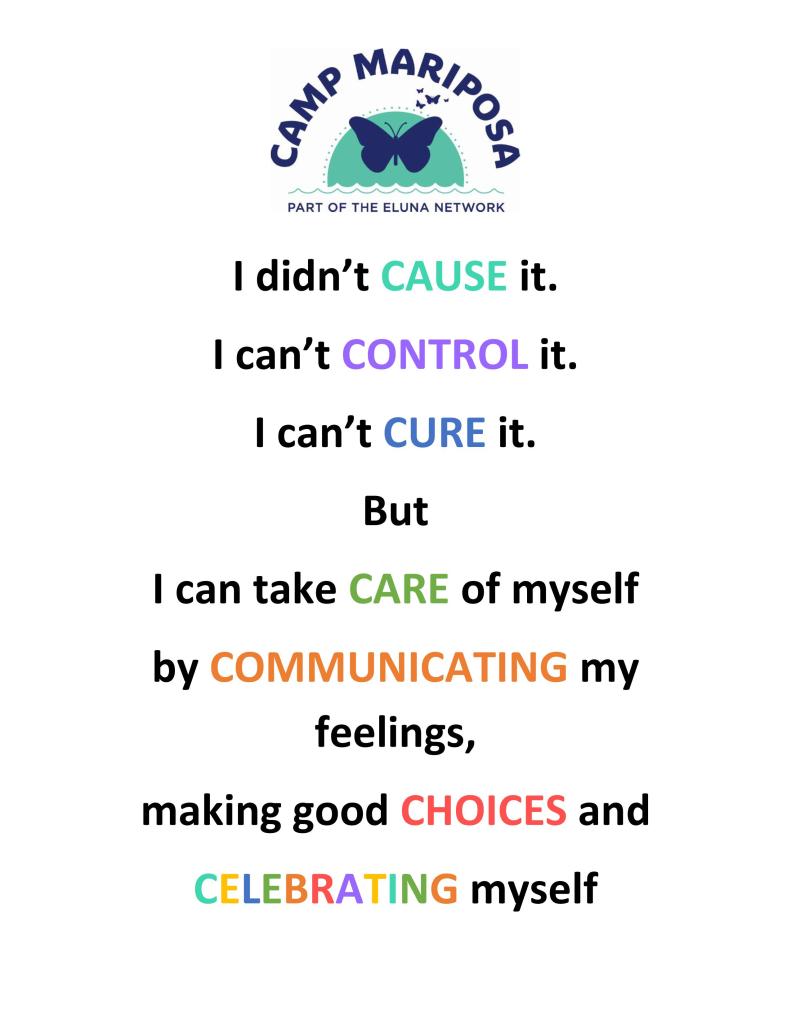
So let them. Let them change when they want to. Let them feel in control of their decisions. And let me do what I will. That may mean cutting ties. That may mean setting boundaries. That may mean that today I have the ability to let them, but tomorrow I have to stay away because I will forget that I can’t control them. It always means that I can take care of myself…in whatever way I will at the moment. I can communicate my feelings; I can make good choices; and I can celebrate myself. That is my “let me.”
Far too often loved ones want those of us in the field of addiction to fix their people. They don’t want to hear about how they only have control over themselves…that’s why Robbins’ takeaways are welcome! “People only change when they feel like changing,” and “people need to feel in control of their decisions.” We can’t make someone else enter recovery, nor can we make the decision for others that their use is out of control.
We can only take care of ourselves, communicate our feelings, make good choices for and celebrate ourselves. We can tell others that we care or that we are afraid that they will die from the disease of addiction; that’s part of communicating our feelings. But we certainly can’t make them stop using substances…because “People only change when they feel like changing,” and “people need to feel in control of their decisions.”
If we have authority over others, we do have the right to make rules. For example, “If you’re going to live here, you will submit to bloodspot testing every other month so we can see if you’re abusing alcohol.” Or, “You need to work at least 20 hours per week.” They, of course, have the ability not to follow the rules we’ve made, which is another example of “let them.” Let them be kicked out of my home. Let them figure out another place to live. Let them. Let them. Let them.
And let me live my best life while all this is swirling around me. What is your “let me”?
References
PEth Resources


 Guided by Guida
Leave a comment